

Two months ago, we examined the impact of the Iran war on corporate credit risk forecasts around the world. The analysis showed that after the initial jump in March, most markets retraced much of the move by April. Out of 9 countries examined, Japan, Qatar, and Korea were notable exceptions where credit risk remained elevated. Since then, the conflict has continued to evolve and has spilled over into several additional regions. With geopolitical risk remaining one of the primary concerns facing financial markets, we revisit the country-level credit risk analysis using two months of additional data.
Figure 1 and Table 1 illustrate the evolution of the median 1-year default probabilities from right before the start of the Iran war on 2/27/26, one month later, two months later, and the latest observation as of July 31. Table 1 also includes ratios of the most recent median PD to the pre-war observation. A ratio of greater than one indicates that median credit risk has risen and less than 1 indicates an improvement in conditions.
Figure 1: Median 1-Year Probability of Default by Country (values in bps)
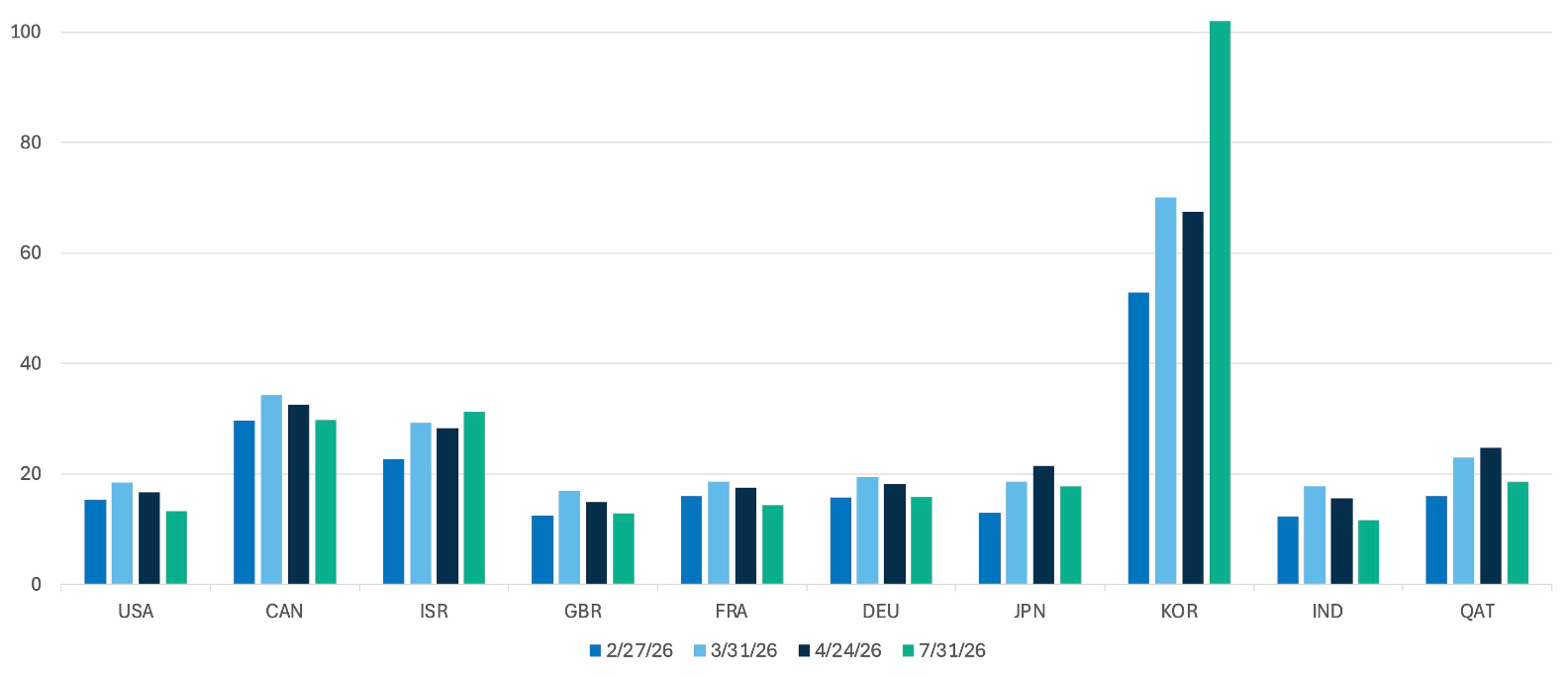
Table 1: Median 1-Year Probability of Default by Country (values in bps)

The updated data shows that the major developed economies have generally returned to pre-conflict conditions. The United States, France, and India all ended the period with median default probabilities below their February levels. Canada, Germany, and the United Kingdom remained close to where they began the year despite experiencing an increase in credit risk during March. These outcomes suggest that strong earnings, stable labor markets, and continued economic growth have largely offset concerns regarding geopolitical risks.
Two months after our original report, the drivers of credit markets have broadened beyond geopolitics. Investor attention increasingly shifted toward the sustainability of the AI investment cycle and the unprecedented levels of capital expenditure required to support it. As equity markets became more concentrated around a relatively small group of AI winners, risk sentiment across broader markets became increasingly linked to the outlook for those firms.
The divergent experiences of Korea illustrated how these pressures have manifested across different economies. Korea occupies a central position in the global AI hardware supply chain through Samsung Electronics and SK Hynix, which together are major suppliers of high-bandwidth memory (HBM), DRAM, NAND flash, advanced packaging, and semiconductor manufacturing capacity. The AI investment boom has created exceptionally strong demand for these products, making the performance of a small number of firms increasingly important to both the Korean economy and financial markets. KRIS forecasts indicate that the benefits of the AI boom have not extended evenly across the Korean corporate sector.
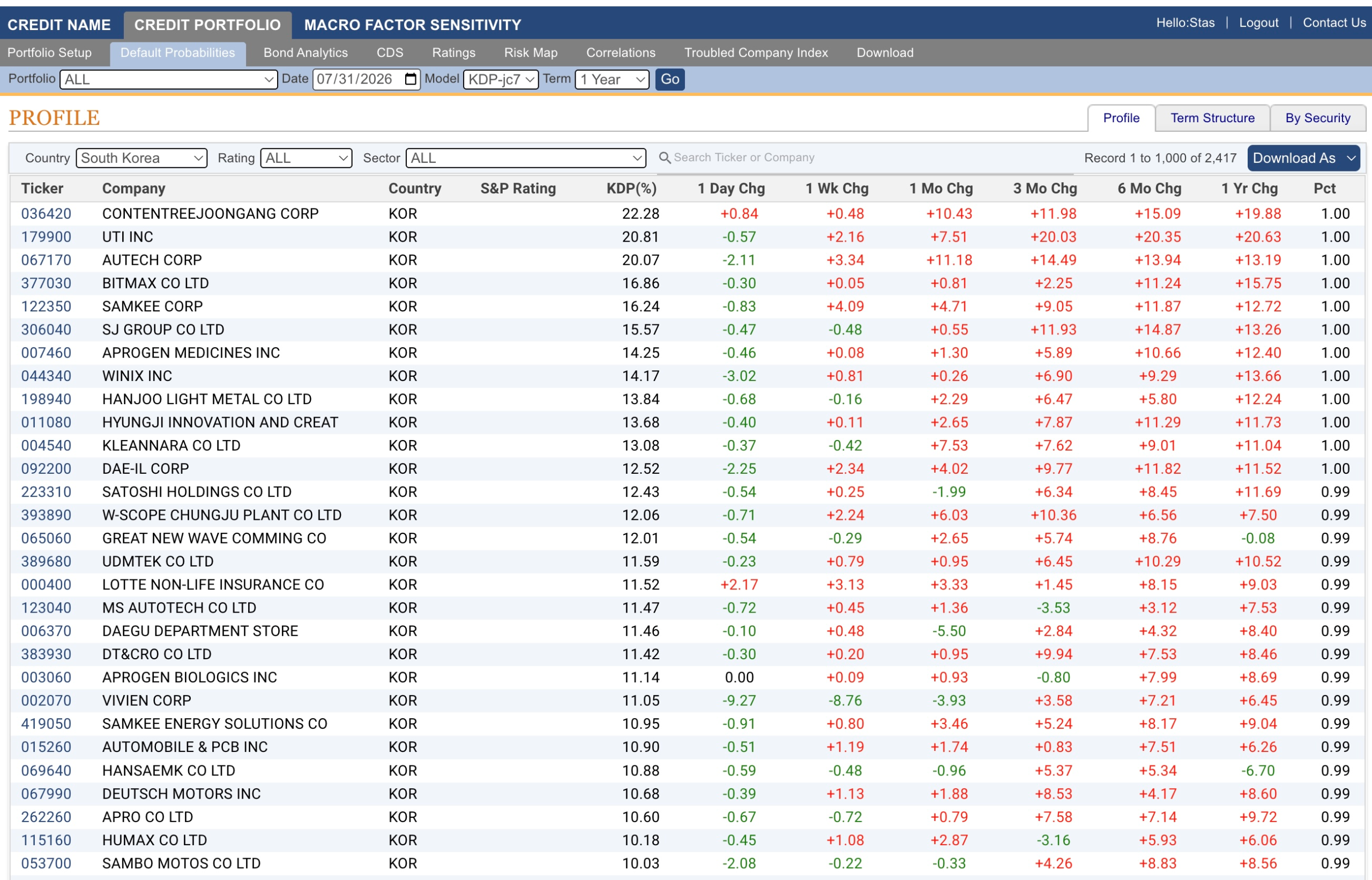
A closer look at the highest-risk Korean companies shows that the riskiest names are clustered in smaller auto-parts suppliers, apparel and consumer discretionary firms, biotech/pharmaceutical companies, and other domestically exposed industrial businesses. Korea may be benefiting from extraordinary demand for AI-related memory and semiconductor capacity, but that strength is not translating evenly across the corporate sector. Credit risk is rising most visibly in the lower-quality tail, where firms are more exposed to EV transition costs, consumer weakness, refinancing pressure, and margin compression. These are similar trends to what we have highlighted for the United States in the past. The result is a bifurcated credit picture: AI-linked leaders support the headline growth narrative, while a broader set of smaller issuers shows rising financial stress. Figure 2 shows time series of median 1-Yr PD for this century for the United States and Korea. This illustration puts the current jump in Korean median PD in perspective – it now stands at its highest level since the aftermath of the Global Financial Crisis. Also, it is worth noting that unusually large role of retail investors, combined with growing use of thematic and leveraged ETF products, may also be contributing to greater concentration in equity market leadership. This may be introducing distortion to some of the equity market signals.
Figure 2: South Korea and United States Median 1yr PD
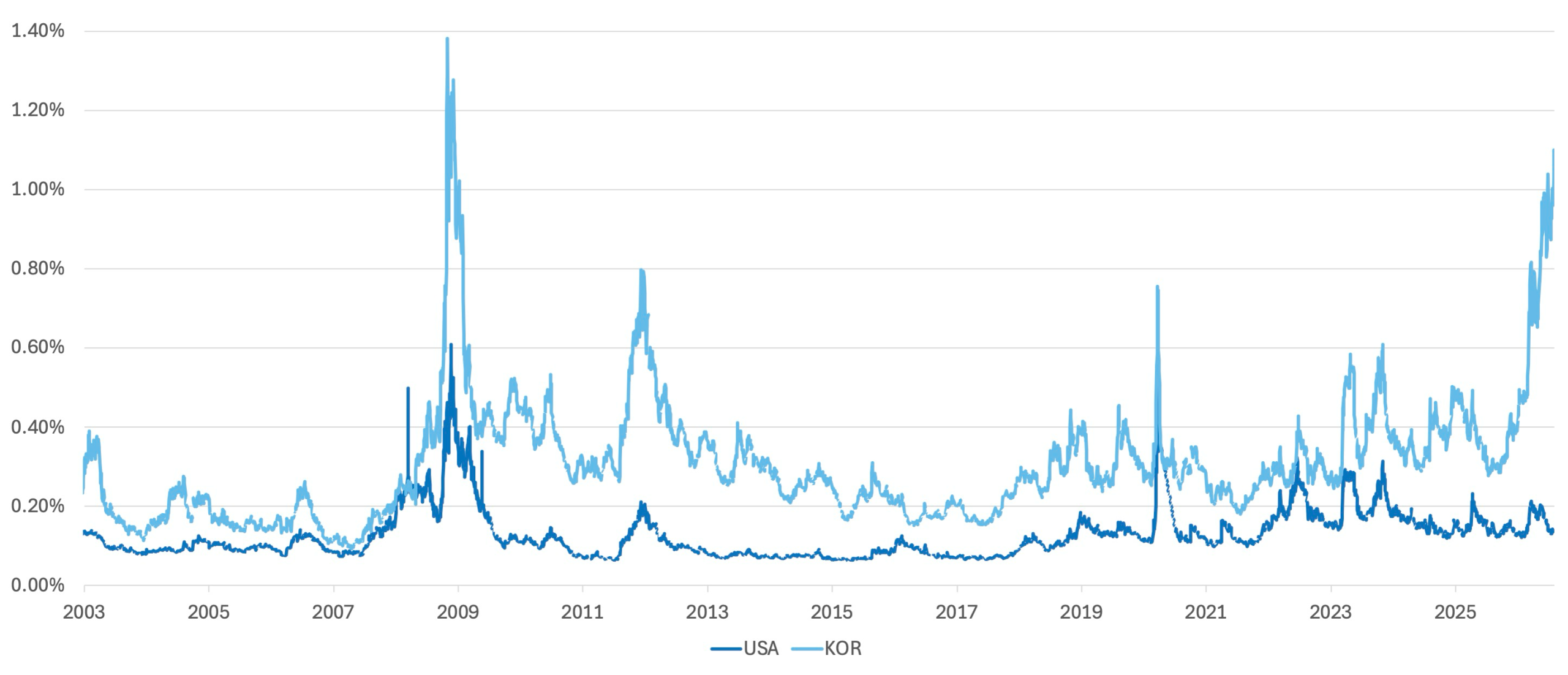
Table 2: South Korea – Companies with the Highest 1yr PD as of 7/31/2026
Japan presents a different set of challenges. While the economy has benefited from resilient global demand, investors have become increasingly focused on exchange-rate volatility and rising sovereign yields. The gradual normalization of monetary policy has pushed Japanese government bond yields toward levels not seen for decades, while a weaker yen has increased uncertainty around imported inflation and financing costs. These factors have weighed on portions of the corporate sector and help explain why Japanese corporate credit risk has remained elevated despite the resilience seen elsewhere among developed markets.
Israel and Qatar remain directly exposed to the conflict. The persistence of elevated default probabilities suggests that investors continue to assign a higher risk premium to the region despite the resilience seen elsewhere in global markets.
The data suggest that geopolitical shocks are effective at triggering an initial repricing of credit risk, but whether that repricing persists depends on country-specific vulnerabilities. Countries facing concentrated exposures, whether to regional conflict, currency pressures, monetary policy transitions, or the AI investment cycle, have continued to exhibit elevated credit risk. Most other markets have reverted to a positive narrative dominated by earnings strength and economic resilience.
Credit Conditions Summary – Top 3000 US Firms
Conditions among the largest U.S. firms improved modestly during July. Both the market-cap-weighted and median measures of default risk declined, continuing the pattern of resilience that has characterized much of 2026. However, the gap between the two measures remains significant, indicating that the largest firms continue to experience substantially lower credit risk than the typical company in the market.
Figure 3: Market Cap-Weighted Cumulative Default Probability – Top 3000 Companies in the US
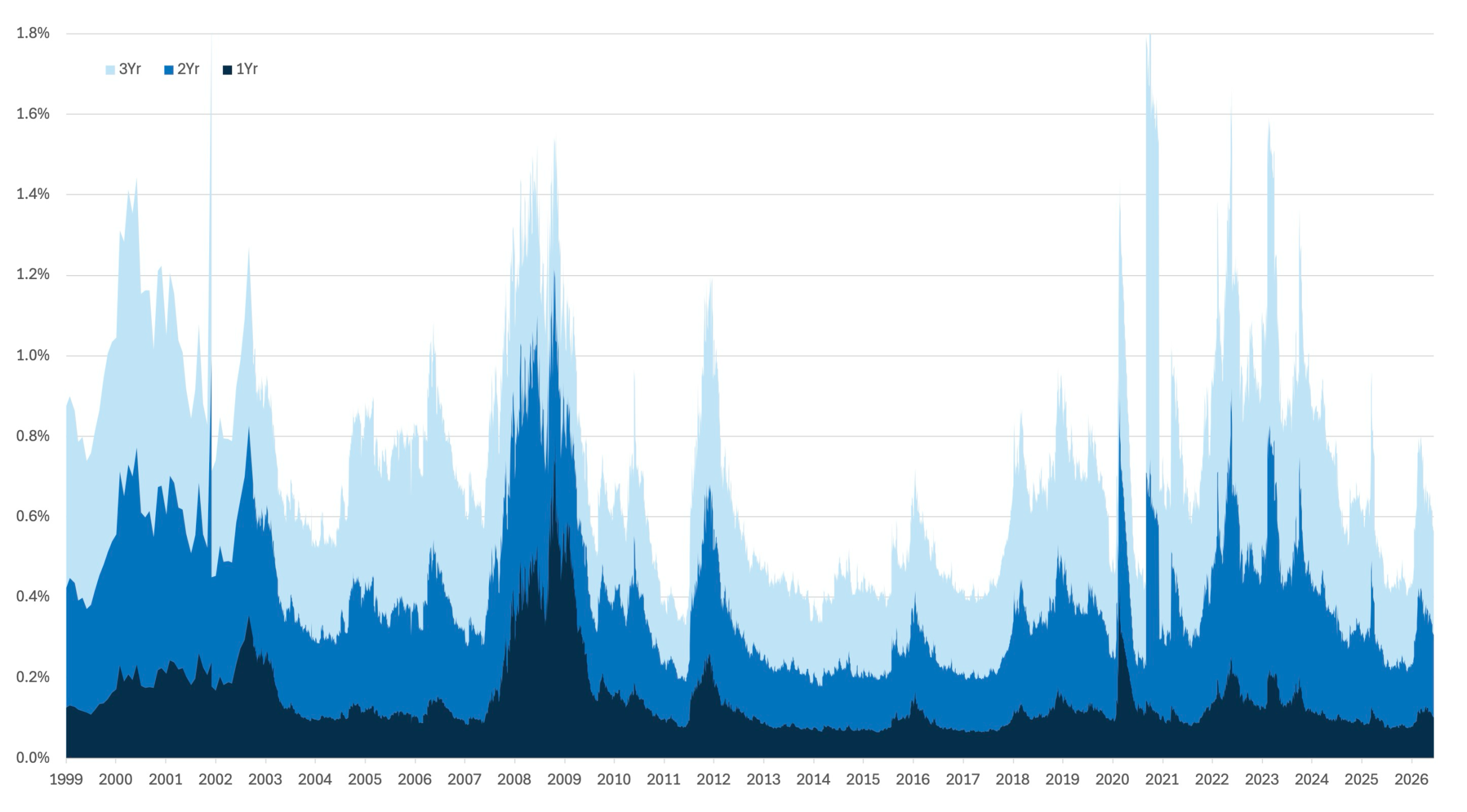
Figure 4: Median Cumulative Default Probability – Top 3000 Companies in the United States
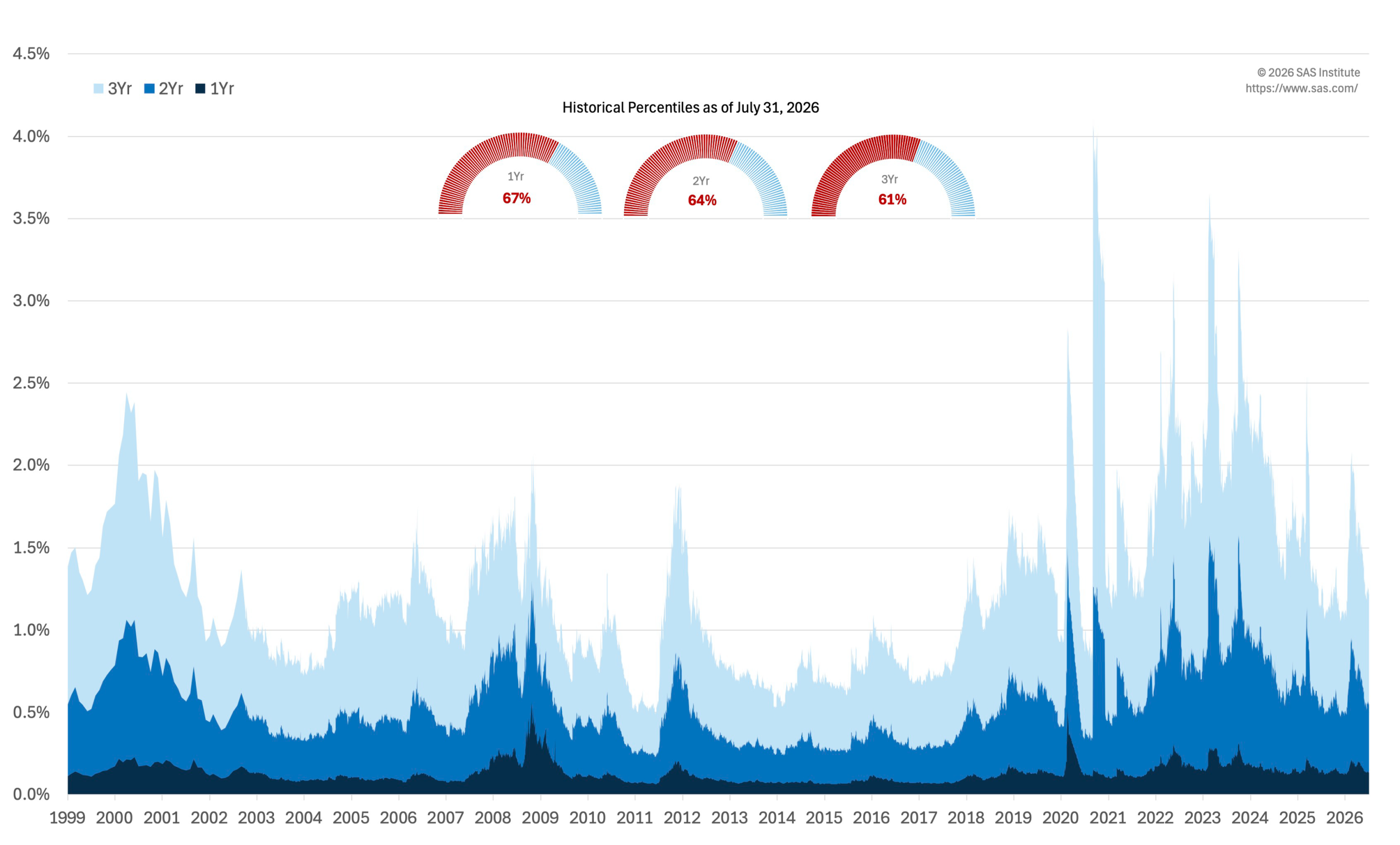 Table 3: Market Cap-Weighted Average 1-year Default Probability (Top 3000 Firms in the United States)
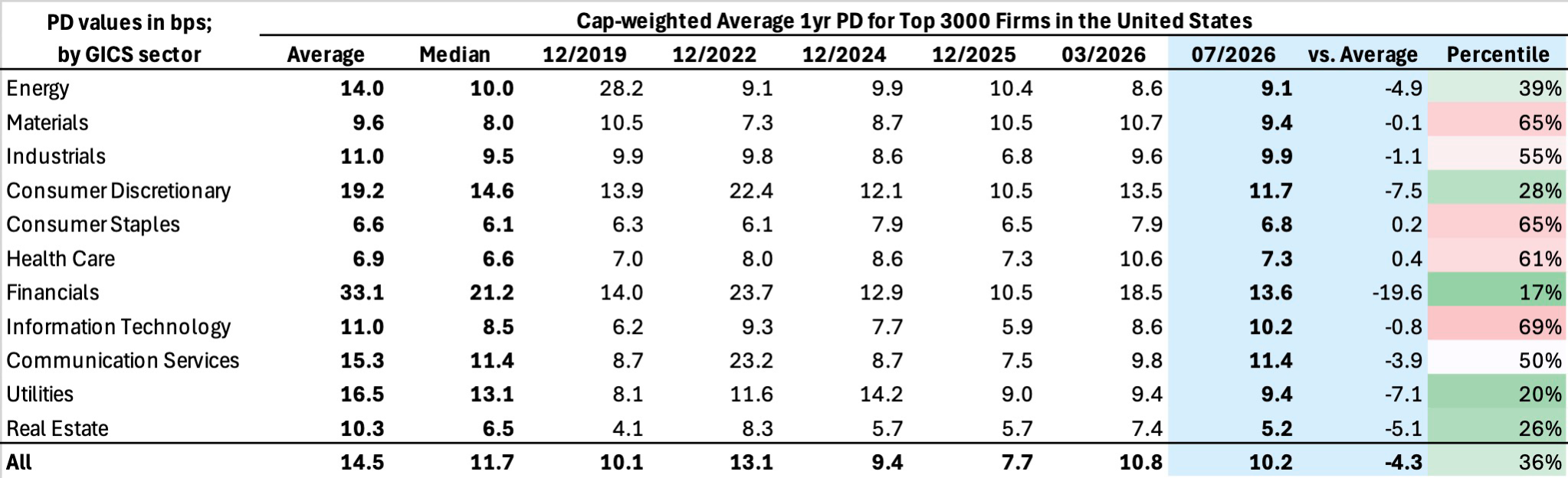
Table 4: Median 1-year Default Probability (Top 3000 Firms in the United States)
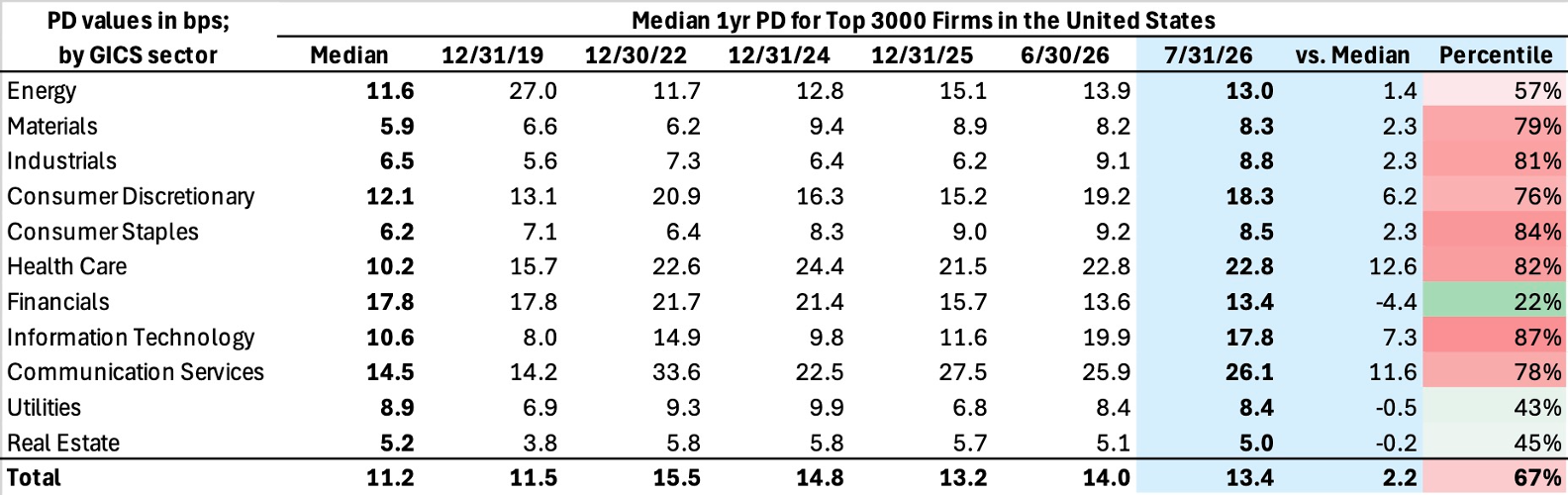
Why KRIS PD forecasts matter now. Market prices can remain calm even as underlying risk becomes more concentrated, making model‑based, issuer‑level signals increasingly important. KRIS default probabilities provide daily, issuer‑level signals that help make this bifurcation visible: pinpointing names where refinancing pressure, equity‑volatility shocks, or weakening coverage metrics are emerging even when credit spreads do not move. Used alongside market spreads and fundamental analysis, PDs help identify risks that are not yet fully priced, providing actionable early‑warning signals.
Appendix
Table 5: Riskiest Rated Companies Based on 1-year PD
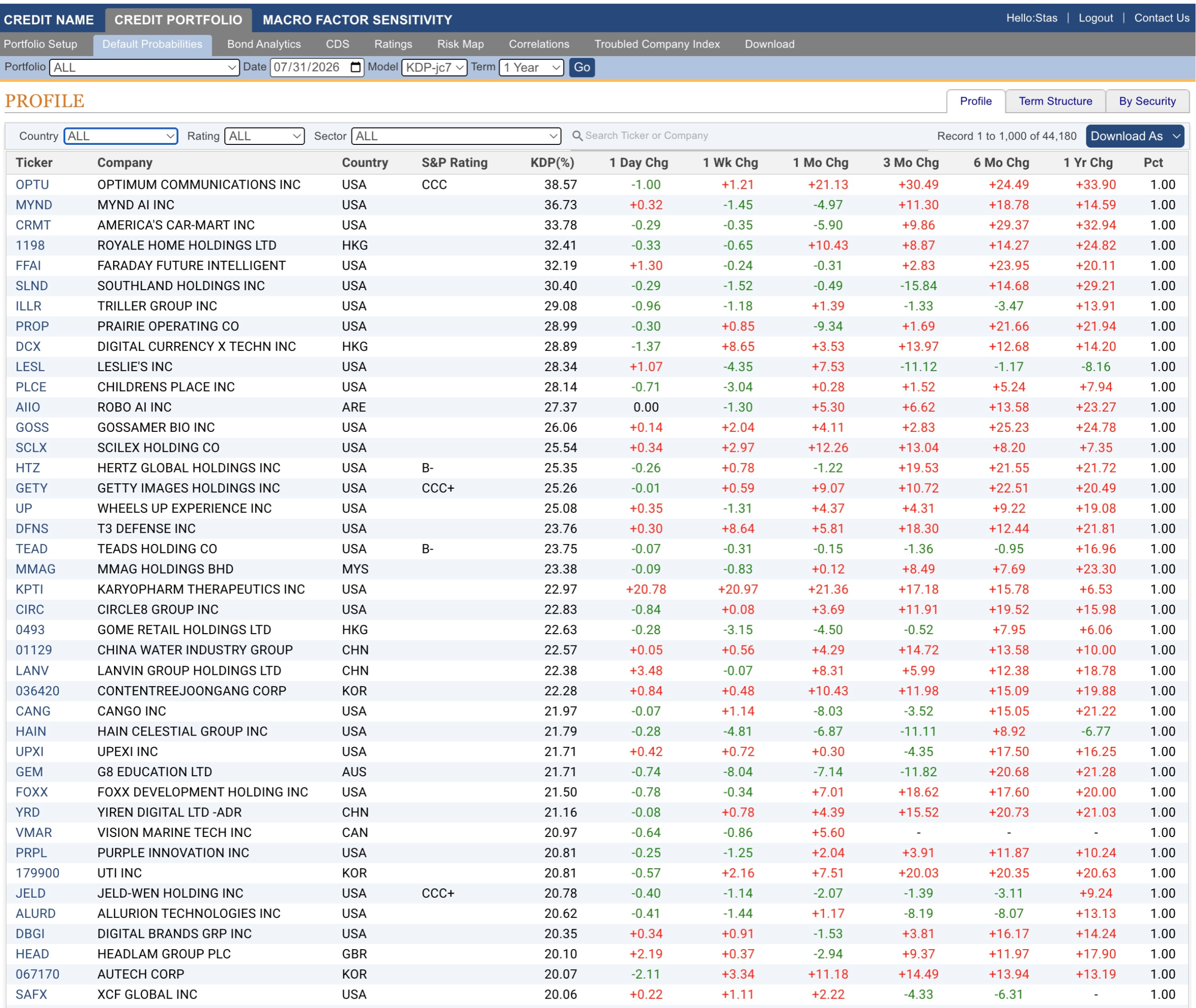
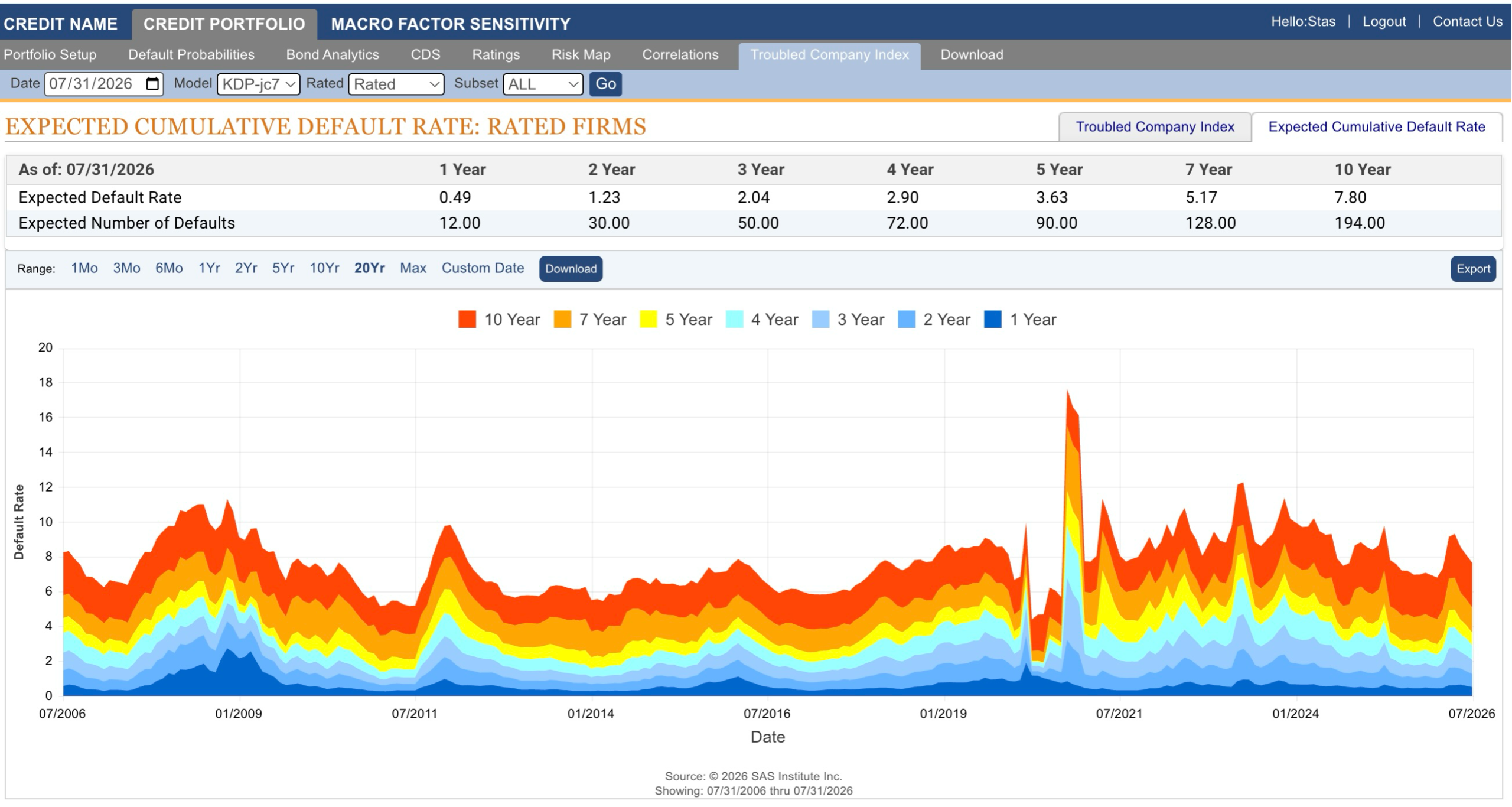
Figure 5: Expected Cumulative Default Rates
About SAS
SAS is the leader in analytics. Through innovative software and services, SAS empowers and inspires customers around the world to transform data into intelligence. SAS gives you THE POWER TO KNOW®.
Editorial contact: Stas Melnikov – stas.melnikov@sas.com